
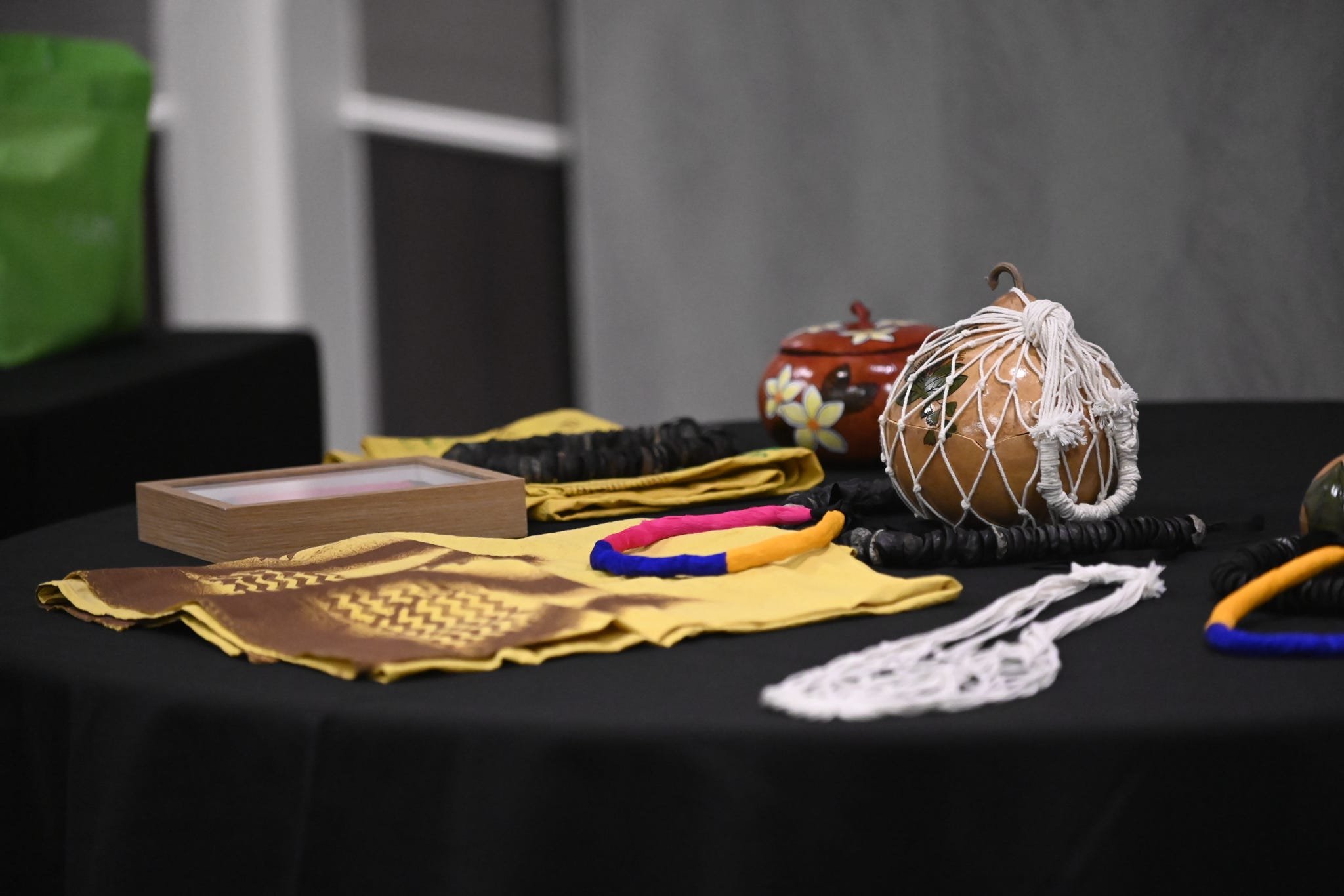
Our Programs
Outside of our signature KAHĀ conference, we actively expand our impact through grant-supported programming rooted in ʻike Hawaiʻi. With the support of trusted partners such as Kamehameha Schools, KAHĀ delivers culturally grounded workshops and classes that strengthen and sustain Hawaiian immersion learning across communities.
Through these investments, we connect keiki, ʻohana, and community members directly with kumu and hands-on ʻike, creating meaningful spaces where language, culture, and practice are not only learned but lived. This work ensures that ʻike Hawaiʻi continues to thrive, grow, and be carried forward for generations to come.
Hula ʻIke: Nā ʻIke Kupuna i Kaʻapuni ʻia ma ka Hula | Ancestral Knowledge Carried Through Hula
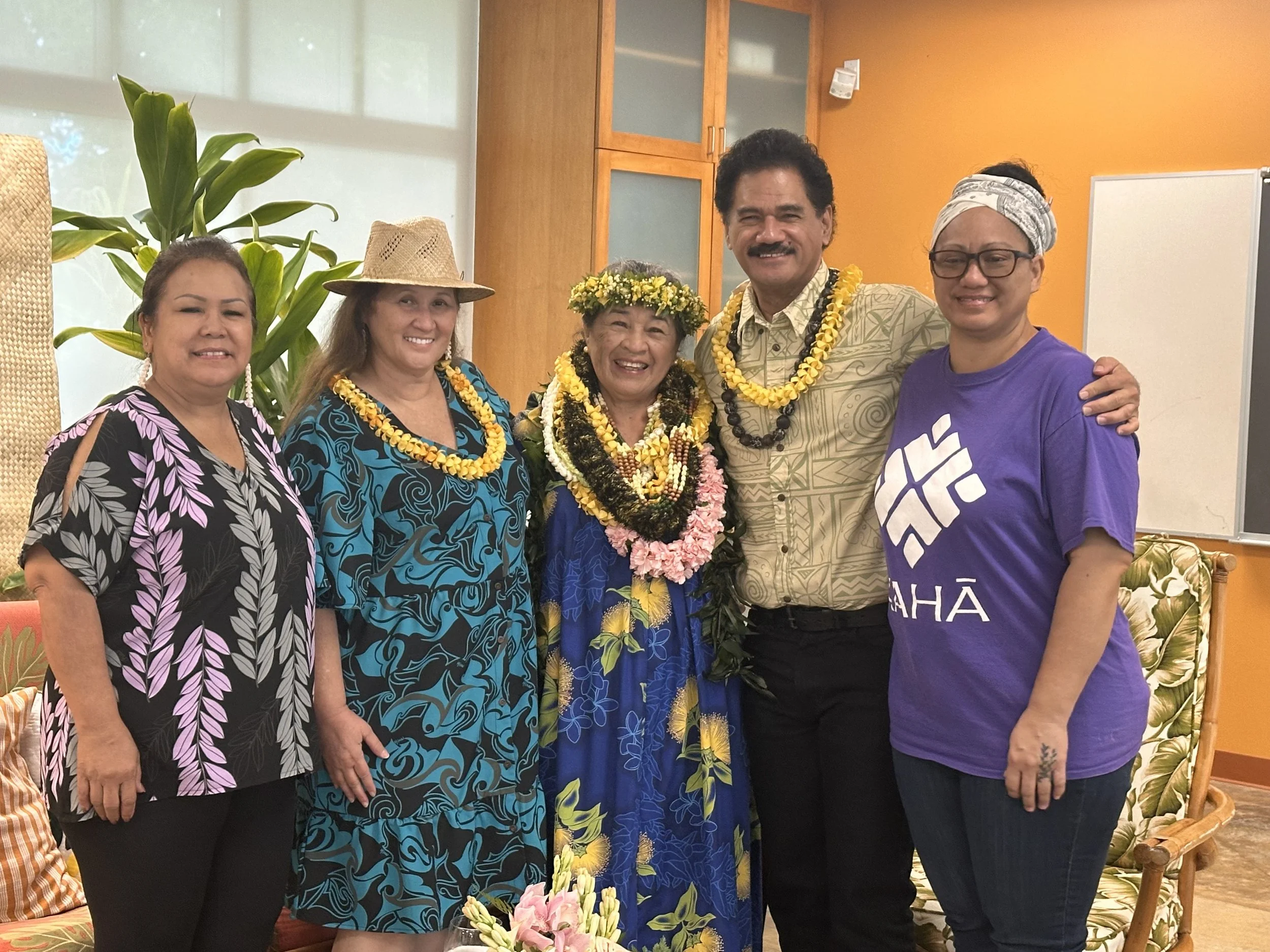
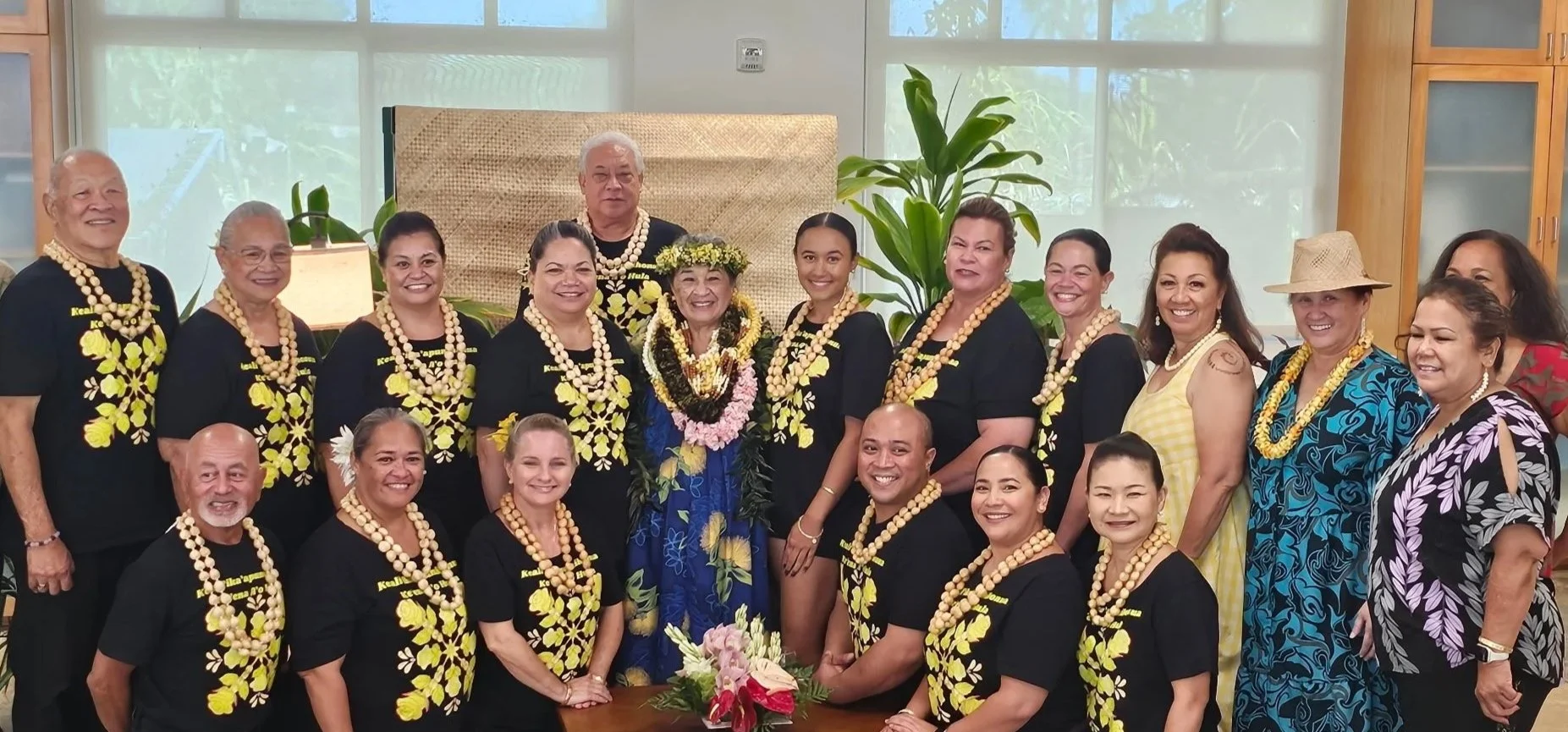
The Legacy of Hula with Kumu Hula Leimomi Ho
This gathering offered a deeply intimate and meaningful cultural experience, where participants described feeling as though they were welcomed into Kumu Leimomi’s home, an atmosphere grounded in comfort, authenticity, and aloha.
Through the sharing of her moʻolelo, attendees were given a rare and powerful opportunity to learn directly from a revered kumu hula, gaining insight that was both personal and historically significant. While limited time constrained the ability to capture more of her stories through extended documentation, the balance of storytelling and hands-on hula instruction created a rich and engaging learning environment.
These gatherings play a vital role in preserving ʻike Hawaiʻi, strengthening community connections, and ensuring that the traditions and knowledge of hula continue to thrive for future generations.
Participants were able to:
-
Deepened Knowledge and Cultural Understanding
Participants engaged in ʻike-rich storytelling (moʻolelo) shared by Kumu Hula Leimomi Ho, gaining deeper understanding of her lineage, ʻike Hawaiʻi, and foundational hula traditions.
Expanded cultural literacy through historical context and personal narrative
Strengthened understanding of authentic hula practice and protocol
Participants reported clarity on previously misunderstood aspects of hula
-
Through direct instruction, participants learned hula from Kumu Leimomi and observed the distinctive style of Kealiʻikaʻapuni Honua Keʻena Aʻo Hula.
Hands-on participation increased confidence in foundational movements
Elevated appreciation for discipline, artistry, and cultural depth
Reinforced learning through embodied practice, not just observation
-
The event created a rare, ʻohana-centered environment where keiki, mākua, and kūpuna learned together.
Strengthened pilina across generations
Encouraged shared cultural responsibility
Fostered continuity of ʻike through direct connection with a respected kumu
-
Participants left with a renewed sense of responsibility to preserve and perpetuate Hawaiian cultural knowledge.
Reinforced collective kuleana to protect ʻike Hawaiʻi
Inspired ongoing participation in cultural practice
Elevated awareness of the importance of transmission to future generations
Nā Hana Noʻeau Hawaiʻi | Hawaiian Crafts
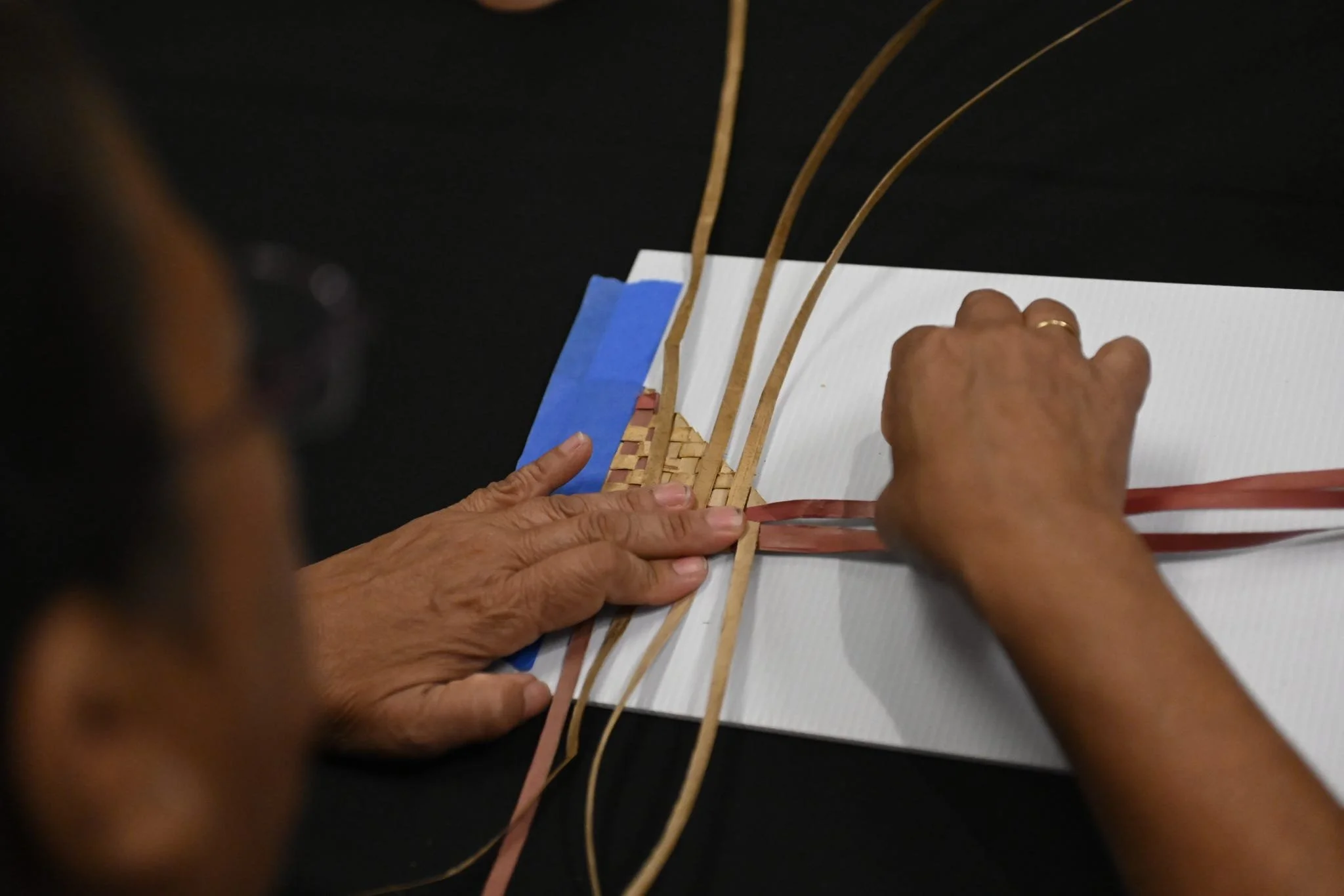
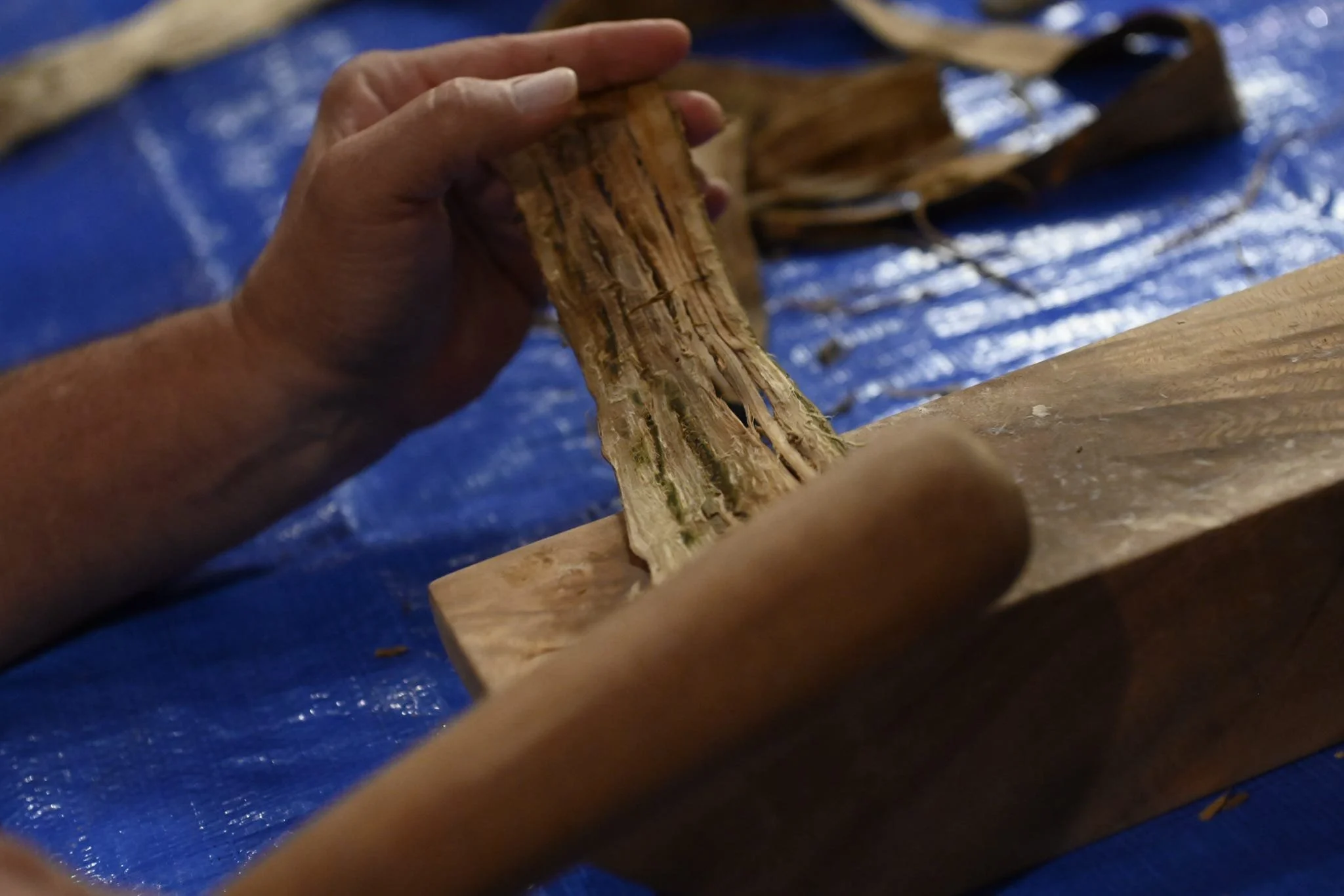
Kupeʻe Maloʻo: Kupeʻe Lima
Hosted by Ka ʻAha Hoʻolauna Aloha on May 9, 2025, at Paradise Park on Oʻahu (Kona Region), this workshop welcomed 19 participants, 85% of whom identified as Native Hawaiian.
Supported by Kamehameha Schools, participants engaged in a dynamic, hands-on learning experience where they developed foundational weaving skills and progressed from guided instruction to individualized expression, discovering their own rhythm through tactile, visual, and verbal approaches.
The inclusive environment supported diverse learning styles and empowered each participant to succeed while remaining grounded in traditional techniques. Across all experience levels, participants expressed a deep sense of pride and accomplishment upon completing their kupeʻe, strengthening their confidence and connection to both craft and community.
Overall, the workshop delivered meaningful cultural education, leaving participants with a finished piece and a strengthened connection to ʻike Hawaiʻi.
Participants were able to:
-
Participants engaged directly in traditional weaving techniques, gaining a deeper understanding of hana noʻeau (Hawaiian arts) through embodied practice.
Learned foundational weaving methods, including board setup and pattern execution
Strengthened connection to cultural practices through tactile engagement
Developed appreciation for the discipline, patience, and intention required in traditional craft
-
Through the process of creating their own kupeʻe, participants built both technical skills and self-confidence.
Improved fine motor skills and problem-solving abilities
Adapted techniques to individual learning styles (tactile, visual, verbal)
Gained confidence through completion of a finished, self-made piece
-
Participants were empowered to carry forward what they learned, extending impact beyond the event itself.
Developed confidence to teach weaving techniques to others
Reinforced learning through sharing and instruction
Encouraged peer-to-peer learning and community engagement
-
The use of natural and sustainable materials reinforced a deeper understanding of ʻike Hawaiʻi as it relates to environmental responsibility.
Promoted eco-conscious creativity through use of raffia materials
Strengthened awareness of sustainable cultural practices
Encouraged alignment between cultural expression and mālama ʻāina