
September Is Hawaiian History Month
Remembering, Learning, and Carrying Our Culture Forward
By Kuʻualohanui Kauliʻa, Founder, Ka ʻAha Hoʻolauna Aloha
Aloha nui kākou e ka lehulehu mai ʻō a ʻō:
September is Hawaiian History Month, and for all of us who love Hawaiʻi, its people, culture, and history, this is a very special time.
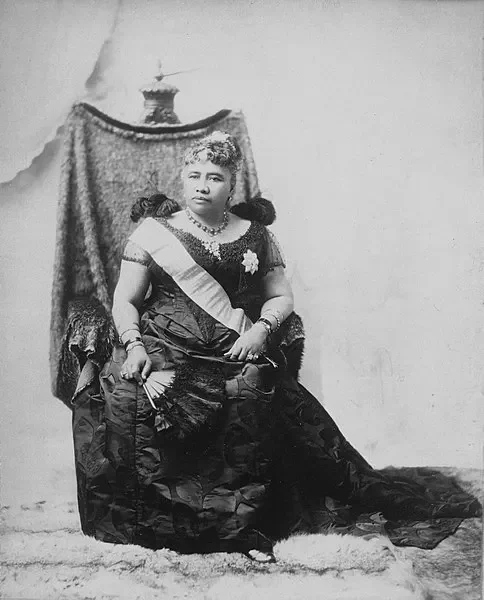
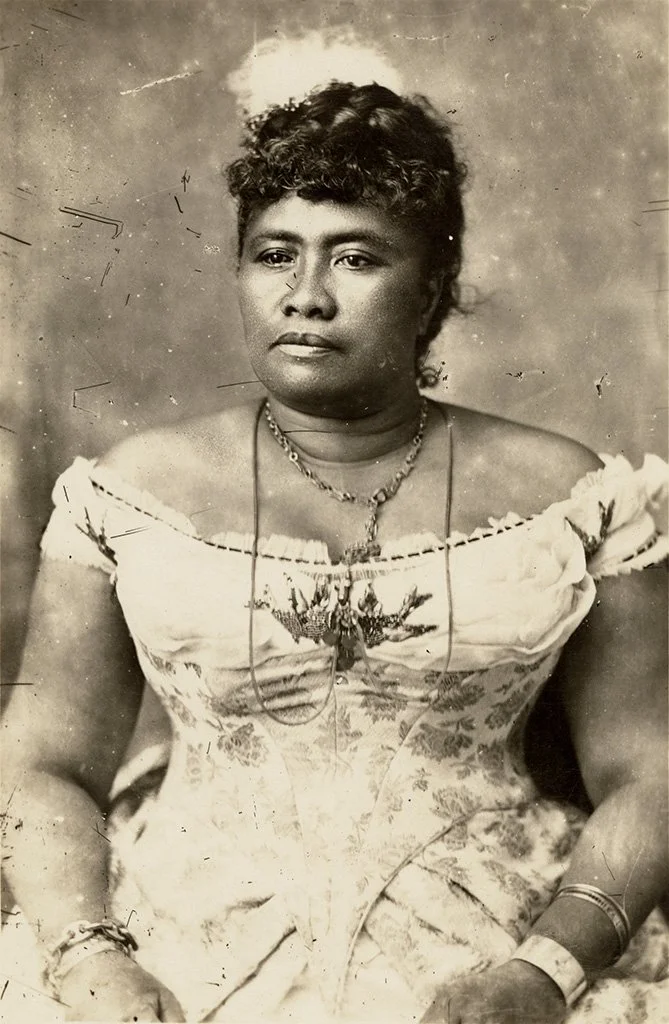
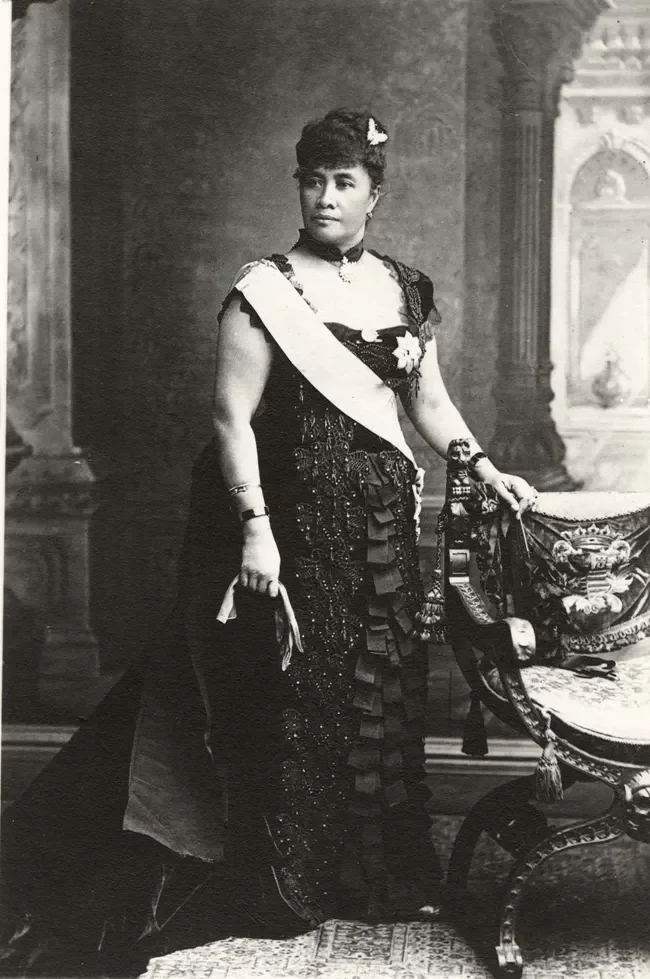
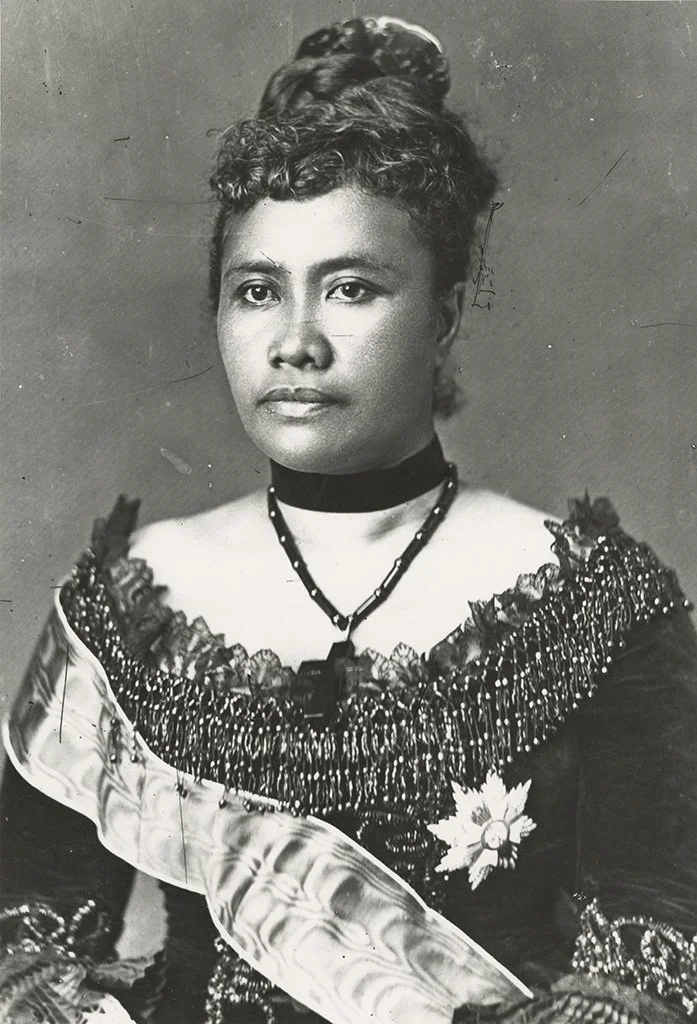
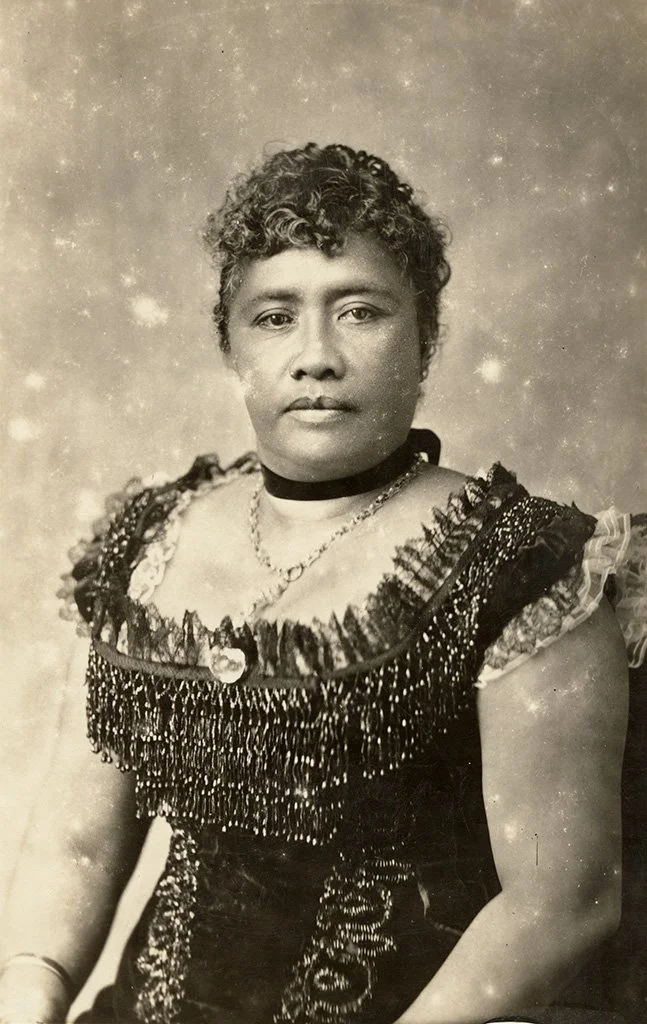
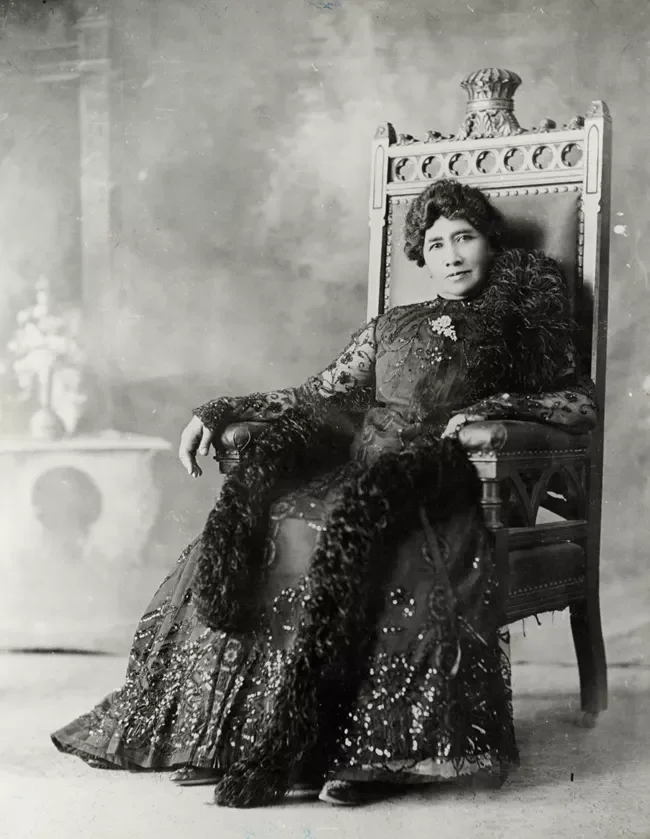
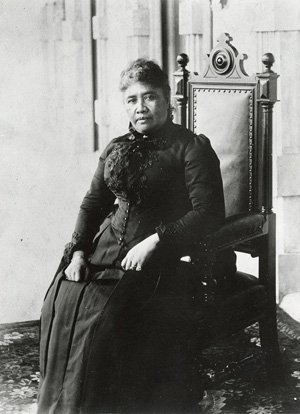
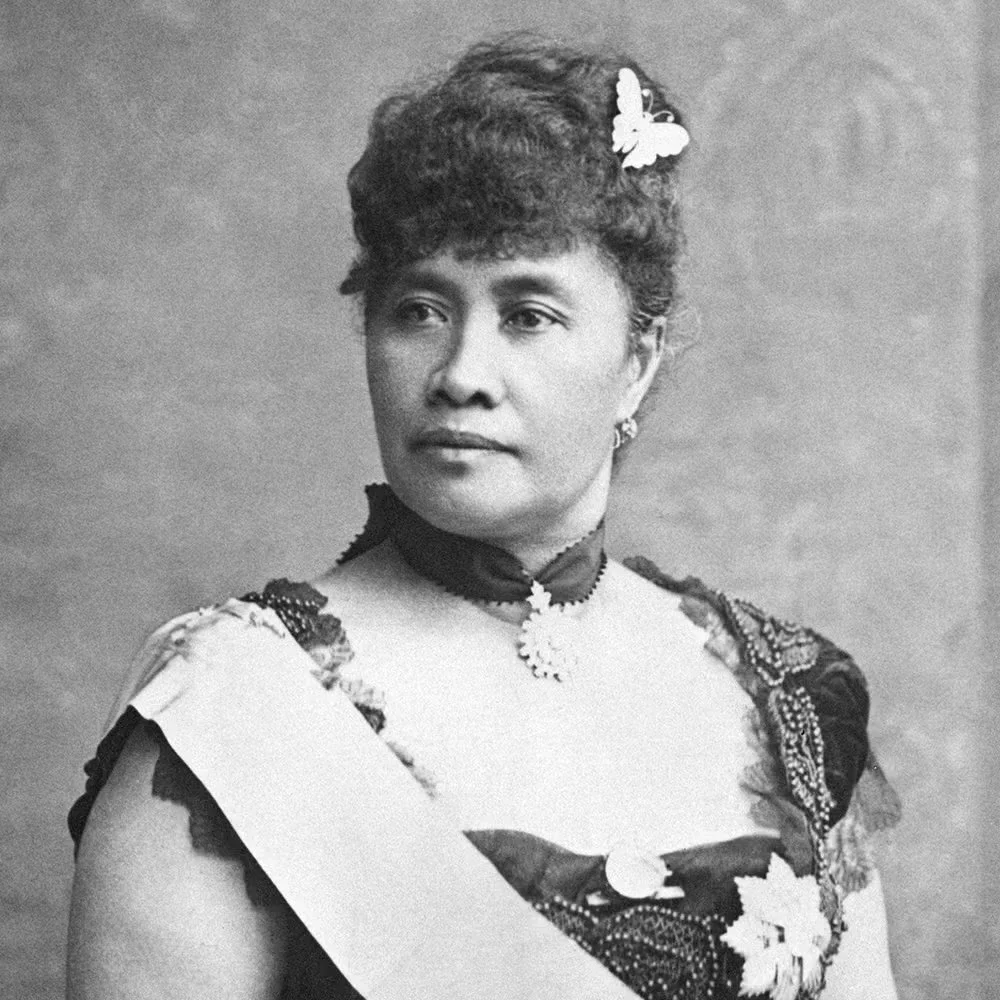
It is also the month we honor the life and legacy of our 8th Hawaiian Monarch, Queen Liliʻuokalani, who was born on September 2, 1838. Her life reminds us of aloha for her people, devotion to Hawaiʻi, leadership, mele, and aloha ʻāina. Her legacy continues to be an important part of who we are today. Through our beloved Queen, we are reminded to be ʻOnipaʻa, steadfast.
For me, Hawaiian History Month is not only about looking back. It is also about remembering our responsibility to learn, to share, and to continue what was passed down to us.
Our history teaches us who we are.
Our kūpuna left us ʻike, mele, moʻolelo, hula, ʻōlelo, traditions, and values that continue to connect us to Hawaiʻi and to one another. It is now our kuleana to make sure that ʻike continues into the next generation.
This is especially important for those who live far away from Hawaiʻi. Many people from Hawaiʻi now live throughout Maleka and other parts of the world. As time and distance grow, it can sometimes become harder to stay connected to culture, language, family, and community. A heartfelt phrase that often hits home today is commonly summarized thus: “You can take a person out of Hawaiʻi, but you can't take Hawaiʻi out of that person.”
This is one of the reasons Ka ʻAha Hoʻolauna Aloha, or KAHĀ, was created.
One of KAHĀ’s goals is to continue building and reinforcing a cultural bridge between Hawaiʻi and the many people who now call other places home. We hope to create opportunities where people can gather, learn from kumu and cultural practitioners, strengthen pilina, and continue filling their ʻumeke with ʻike Hawaiʻi.
At KAHĀ, we believe that culture must be experienced and shared.
Through our five educational pathways, we create opportunities to learn about Ola Pono, Hana Noʻeau, ʻIke Hawaiʻi, Hula, and Mālama ʻĀina.
These pathways allow us to learn in many different ways.
For some, it may be learning an oli or mele for the first time. For others, it may be understanding the meaning behind hula, working with their hands through traditional arts, learning practices that support health and wellness, or better understanding our relationship and responsibility to ʻāina.
What matters most is the connection that is created.
At KAHĀ, we often speak about pilina because healthy relationships and connections are an important part of everything we do. Pilina with Ke Akua, as well as our kūpuna (both seen and unseen). Pilina between kumu and haumāna. Pilina between generations. Pilina with ʻāina. Pilina between people living in Hawaiʻi and those living thousands of miles away.
We are also grounded in aloha.
Aloha teaches us how to care for one another and how to move through the world with kindness, humility, patience, and respect.
Our values of Aloha, Hoʻoponopono, ʻIke Hoʻoilina, ʻOnipaʻa, and Laulima remind us that preserving and perpetuating Hawaiian culture cannot be the work of just one person or one organization. It takes all of us working together.
The teachings shared by Pilahi Paki also remind us of Akahāi, kindness; Lōkahi, unity; ʻOluʻolu, graciousness; Haʻahaʻa, humility; and Ahonui, patience and perseverance.
These values help guide the work we do and, more importantly, how we treat one another while doing it.
During Hawaiian History Month, I hope all of us take some time to learn something we did not know before.
Read about our aliʻi.
Listen to the mele of Queen Liliʻuokalani.
Learn more about the history of your ʻohana or the place you come from.
Spend time with a kumu or kūpuna.
Share what you learn with your children and grandchildren.
And if you live far from Hawaiʻi, remember that distance does not have to mean disconnection.
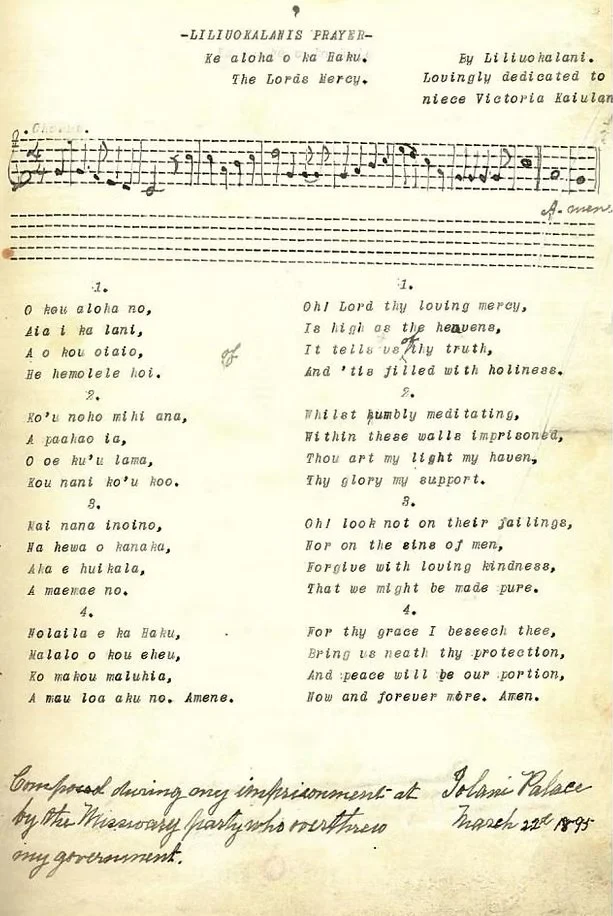
“Ke Aloha o ka Haku” (The Queen’s Prayer) is a deeply moving Hawaiian hymn composed in 1895 by Queen Liliʻuokalani, the last reigning monarch of the Hawaiian Kingdom, and remains a powerful expression of faith, forgiveness, aloha, and devotion to her people.
There are many ways to remain connected, to continue learning, and to strengthen our pilina with one another.
This is the work KAHĀ hopes to continue doing for many years to come.
Our mission is simple: Advancing Hawaiian Cultural Knowledge Through Aloha and Collaboration.
As we celebrate Hawaiian History Month, may we remember all those who came before us with gratitude, and may we continue doing our part to ensure that their ʻike, stories, values, and aloha are carried forward.
E ola ka ʻike Hawaiʻi. E ola ka lāhui. E ola loa i ke aloha!
ʻO au nō me ka haʻahaʻa,
Kuʻualohanui Kauliʻa
KAHĀ Founder